
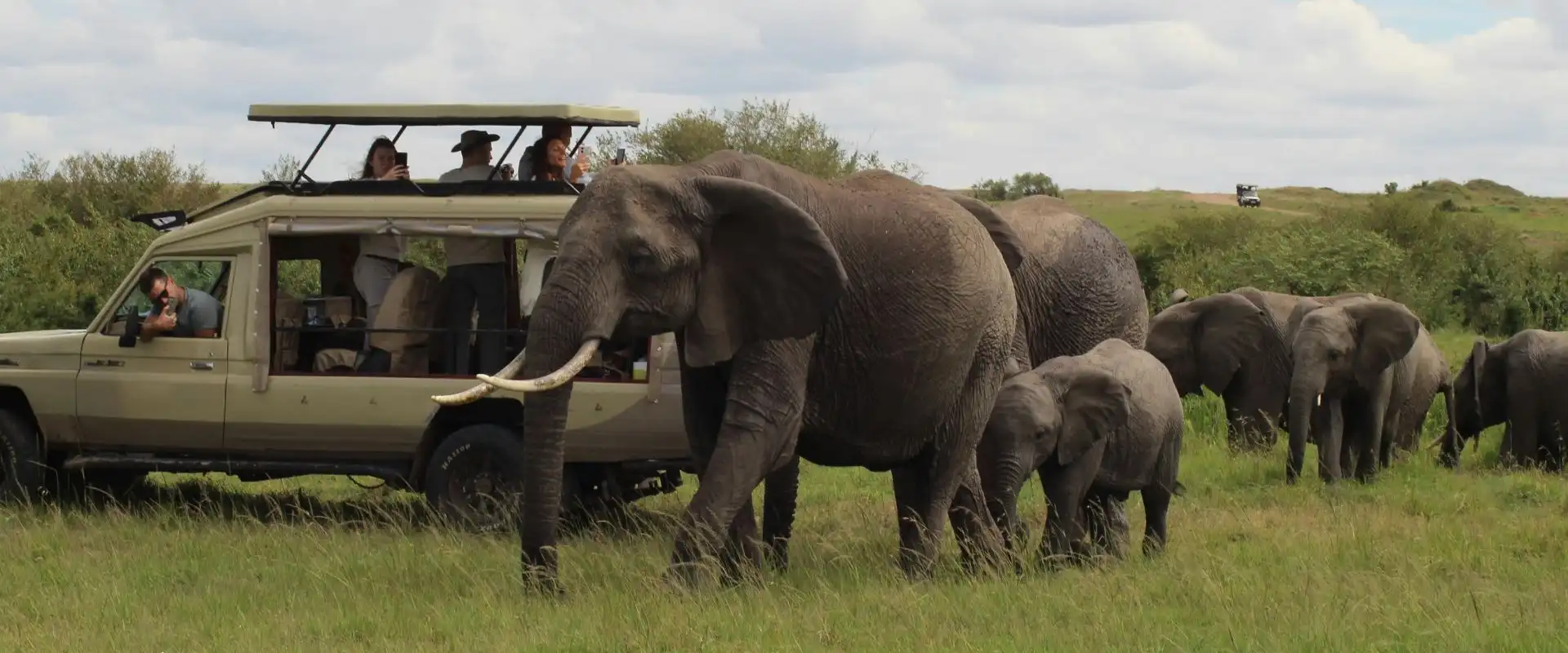
Ask someone what comes to mind when they hear the word Kenya and there is a good chance the answer will be the same.
Safari.
Perhaps they imagine a lion resting beneath an acacia tree. A herd of elephants crossing the plains. A hot-air balloon floating over the Maasai Mara at sunrise.
And they wouldn’t be wrong.
Kenya is one of the world’s great wildlife destinations. But Kenya is also so much more. It is a country of cities and forests, mountains and oceans, ancient traditions and modern creativity. It is a country of extraordinary contrasts. And for travellers willing to look beyond the safari, there is an entirely different Kenya waiting to be discovered.

Nairobi: where the journey begins
Nairobi is perhaps the perfect example of Kenya’s contradictions.
It is a sophisticated, energetic African capital with restaurants, cafés, galleries, businesses and a thriving creative community.
Yet it is also surrounded by nature.
The city provides a fascinating introduction to contemporary Kenya — a place where international influences meet local culture, where traditional food exists alongside modern cuisine and where the boundaries between urban life and the natural world are surprisingly thin.
For visitors staying in Nairobi, this means there is no need to choose between city and nature.
You can experience both.
The beauty of the Kenyan landscape
Kenya’s landscapes change dramatically as you travel.
- The central highlands can feel cool and green.
- The Great Rift Valley opens into enormous horizons.
- Northern Kenya can feel vast, remote and almost otherworldly.
And then there is the coast.
Few countries offer such extraordinary geographical variety within a single journey. The landscape itself becomes part of the experience. For photographers, artists and simply curious travellers, Kenya is a country that continually changes its visual language. One road can take you from dense green vegetation into open grassland.
Another can lead from city streets into mountains. And eventually, perhaps, towards the Indian Ocean.
The coast: another Kenya entirely
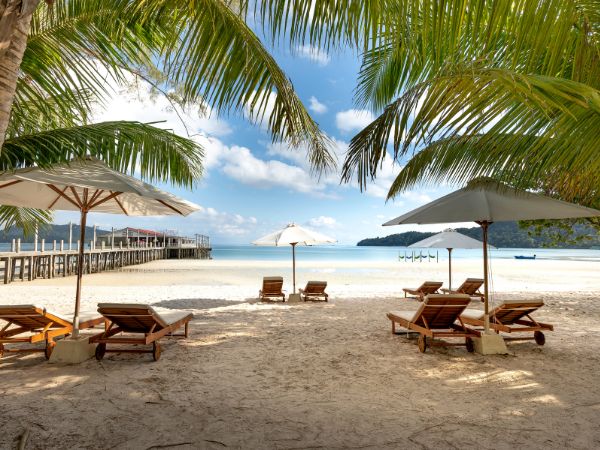
Kenya’s coastline deserves its own journey. The Indian Ocean has shaped the country’s history, culture and cuisine for centuries. Places such as Mombasa, Diani and the historic island of Lamu reveal a side of Kenya that is very different from the classic safari experience.
Here, Swahili culture meets Indian Ocean traditions. Architecture reflects centuries of trade and cultural exchange. Food carries flavours of coconut, spices, seafood and fresh produce. And the pace of life changes.
The coast invites you to slow down. Walk barefoot. Eat outside. Watch the tide. Stay a little longer than planned.
It is not simply a place to add to a safari itinerary. It is a completely different chapter of the Kenyan story.


Food tells a story
One of the most rewarding ways to understand a country is through its food. Kenya’s culinary identity is wonderfully diverse.
There are traditional East African dishes, Indian influences, coastal Swahili flavours and contemporary interpretations created by a new generation of Kenyan chefs.
Street food can be as memorable as fine dining. A simple plate shared with friends can tell you more about a place than an expensive restaurant. And food is often where cultures meet.
Recipes travel. Ingredients travel. People travel. Kenya’s cuisine reflects that history. So when you visit, don’t simply eat.
- Ask questions.
- Try something unfamiliar.
- Visit a local market.
- Taste the fruit.
- Drink the tea.
Let your meals become part of your journey.
Kenya’s creative spirit
There is another Kenya that visitors sometimes overlook: the creative one.
Nairobi has a vibrant community of artists, designers, photographers, musicians, makers and entrepreneurs.
Contemporary Kenyan creativity is increasingly visible around the world, yet its roots remain deeply connected to local identity and experience.
Visitors can discover handmade crafts, contemporary art, fashion, jewellery and design in many parts of the city.
For travellers who want to take home something meaningful, this can be far more rewarding than purchasing a generic souvenir.
Look for the story behind the object.
Who made it?
Where was it made?
What inspired it?
That is how a souvenir becomes a memory.
The people of Kenya
Perhaps the most important thing to understand about Kenya is its diversity. There is no single Kenyan experience. The country is home to many communities, languages, traditions and cultural histories. Travelling through Kenya means encountering different ways of living and different perspectives on the country.
It is worth approaching those encounters with curiosity and respect. Learn a few words. Listen. Ask before photographing people. Support local businesses and artisans where possible. Choose experiences that benefit the communities you visit. Good tourism isn’t simply about what travellers take from a destination.
It is about what they contribute as well.
Travel more thoughtfully
Modern travellers are increasingly interested in meaningful and responsible travel. That doesn’t mean your holiday has to become complicated. Sometimes it is simply about making better choices. Stay with locally owned businesses when possible. Eat at local restaurants. Buy directly from artisans.
Respect wildlife and never encourage inappropriate interactions with wild animals. Leave natural spaces as you found them. Be conscious of water and energy use. And remember that you are visiting someone’s home.
These small choices can make a difference.
Don’t try to see everything
There is a strange pressure in travel to see everything.
The famous park.
The famous beach.
The famous mountain.
The famous restaurant.
The famous viewpoint.
But Kenya isn’t a checklist.
You don’t have to see everything.
In fact, you probably shouldn’t.
Choose a few experiences and give them time.
Spend an extra morning in Nairobi.
Take the slower route.
Have lunch somewhere recommended by a local.
Stay another night.
Watch the sunset.
Talk to someone.
These are often the moments that become the strongest memories.
Start with a place that feels like home
For travellers arriving in Kenya, the first few days can shape the entire journey. That is why choosing where you stay matters. A peaceful base in Nairobi allows you to recover from your journey while still being close enough to explore.
It gives you somewhere to return to after a day in the city. Somewhere to sit quietly. Somewhere to plan the next part of your adventure. Somewhere that doesn’t feel entirely separate from the destination. At Bonsai Villas, this idea of home is central to the experience.
Not a grand hotel. Not an anonymous room. A place to pause. A place to settle. A place from which to experience Kenya at your own pace.
Kenya is bigger than the postcard
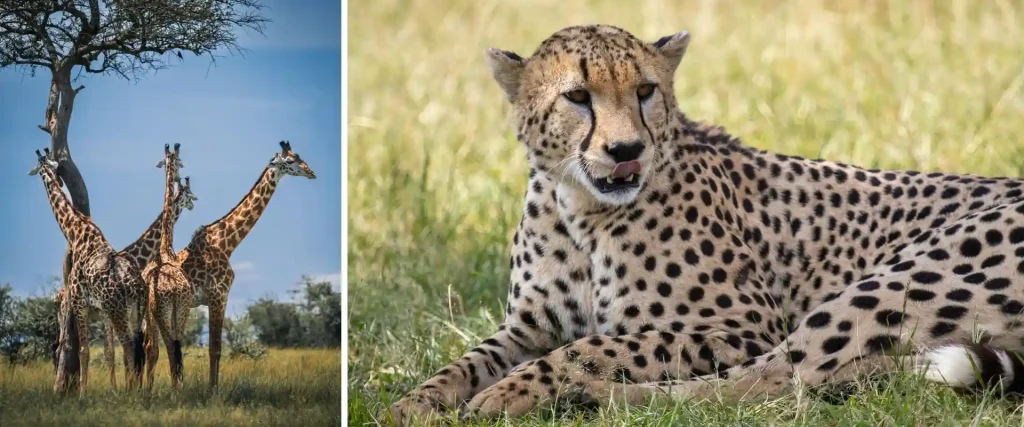
The safari will probably remain one of the great reasons to visit Kenya. And it should.
But don’t let the postcard become the whole story.
Kenya is music. It is food. It is conversation. It is city life. It is mountain air. It is ocean breeze. It is red earth and green forests. It is creativity and tradition. It is old stories and new ideas. It is the warmth of people you may never have expected to meet. And perhaps most importantly, it is a place that rewards curiosity.
Come for the safari. Stay for everything else.
There is far more of Kenya waiting beyond the frame.